
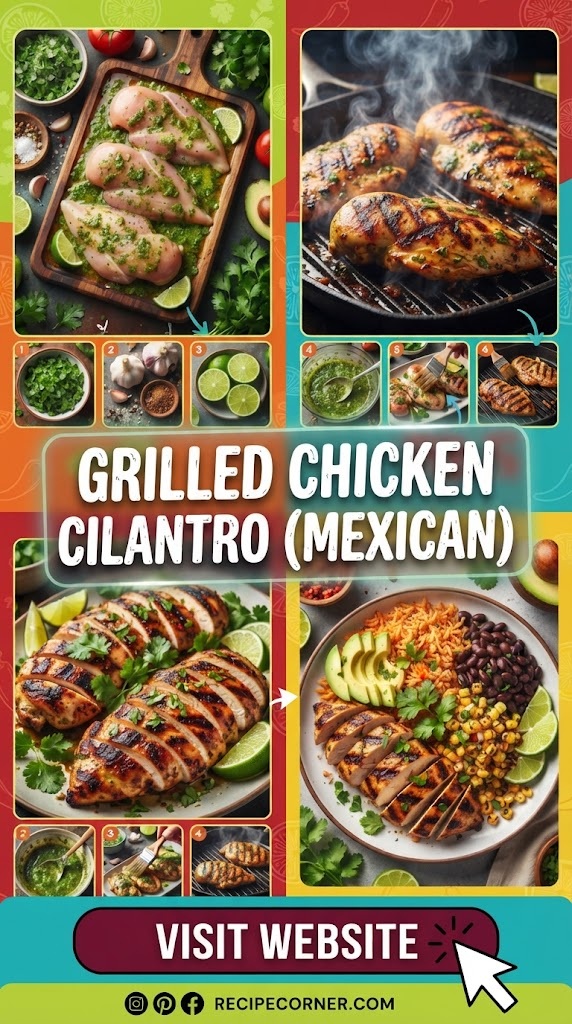
Grilled Chicken Cilantro (Mexican)
There is something undeniably intoxicating about the aroma of marinated meat hitting a searing hot grill. In the world of Mexican cuisine, few dishes capture the essence of summer, freshness, and heritage quite like Grilled Chicken Cilantro—or as it’s known in many vibrant Mexican kitchens, Pollo al Cilantro y Limón.
This isn’t just another chicken recipe; it is a masterclass in balancing high-acid citrus with pungent aromatics and the deep, earthy undertones of the grill. Whether you are hosting a backyard “carne asada” or looking for a healthy, protein-packed weeknight dinner that doesn’t sacrifice flavor, this guide will provide everything you need to master the art of Mexican cilantro chicken.
The Philosophy of Mexican Grilling: Beyond the Flame
To understand Grilled Chicken Cilantro, one must first understand the Mexican approach to grilling. Unlike American BBQ, which often leans heavily on thick, sugary sauces and low-and-slow smoking, Mexican grilling (specifically asado) focuses on high heat, fresh marinades, and the natural flavor of the protein enhanced by smoke.
The goal is to achieve a charred, crispy exterior while maintaining a moist, tender interior. The cilantro and lime act as both tenderizers and flavor enhancers. The acid in the lime breaks down the muscle fibers of the chicken, while the cilantro provides a floral, citrusy brightness that cuts through the richness of the char.
The Anatomy of the Perfect Marinade
The heart of this dish lies in its marinade. A common mistake many home cooks make is using dried cilantro or bottled lime juice. To achieve true restaurant-quality results, we must look at the specific components that make the Mexican flavor profile so distinct.
1. The Cilantro: The Star of the Show
Cilantro (Coriandrum sativum) is polarizing to some, but in Mexican cooking, it is the lifeblood of freshness. For this recipe, you don’t just use the leaves. The stems of the cilantro actually hold more concentrated flavor and essential oils than the leaves themselves. When preparing the marinade, pulse the entire bunch—stems and all—to release those deep herbal notes.
2. The Citrus: The Lime Component
In Mexico, the “limón” used is typically a small, thin-skinned, highly acidic key lime or Mexican lime. In the United States, Persian limes are most common. Whichever you use, it must be fresh. The zest provides the aromatic oils, while the juice provides the citric acid necessary for tenderization.
3. The Aromatics: Garlic and Onion
Garlic is non-negotiable. For a deep flavor, use fresh cloves rather than pre-minced jars. Many traditional recipes also incorporate a small amount of white onion or shallot into the marinade to provide a sharp, savory backbone.
4. The Fats: Choosing the Right Oil
Oil serves two purposes: it carries the fat-soluble flavors of the herbs into the meat, and it prevents the chicken from sticking to the grill. Avocado oil is an excellent choice due to its high smoke point and neutral flavor, though extra virgin olive oil works well for those who prefer a fruitier finish.
5. The Spice Profile
While cilantro and lime are the primary notes, a true Mexican marinade requires depth. Common additions include:
- Cumin: For an earthy, smoky aroma.
- Smoked Paprika: To enhance the “grilled” color and flavor.
- Dried Oregano (Mexican): This is different from Mediterranean oregano; it has citrus and licorice notes.
- Jalapeño or Serrano: For those who want a “kick” without overwhelming the palate.
Choosing Your Protein: Thighs vs. Breasts
When it comes to Grilled Chicken Cilantro, the cut of meat you choose will significantly impact the final texture.
Chicken Thighs (The Professional Choice)
Most Mexican street food vendors and chefs prefer boneless, skinless chicken thighs. Thighs have a higher fat content, making them much more forgiving on the grill. They stay juicy even if left on the heat a minute too long and absorb the marinade more deeply than white meat.
Chicken Breasts (The Health-Conscious Choice)
If you prefer breasts, the key is preparation. Because chicken breasts are lean, they dry out quickly. To succeed, you should butterfly or pound the breasts to an even thickness. This ensures the entire piece cooks at the same rate, preventing the thin edges from turning into rubber while the center remains raw.
The Definitive Grilled Chicken Cilantro Recipe
Ingredients
For the Chicken:
- 3 lbs Boneless, skinless chicken thighs (or pounded breasts)
- 1 large bunch of fresh cilantro (approx. 2 cups, loosely packed)
- 1/2 cup fresh lime juice (about 4–5 large limes)
- 2 tbsp lime zest
- 4 cloves of garlic, smashed
- 1/2 cup avocado oil or extra virgin olive oil
- 1 tsp ground cumin
- 1 tsp smoked paprika
- 1 tsp Mexican oregano
- 1 tsp sea salt (adjust to taste)
- 1/2 tsp cracked black pepper
- 1 jalapeño, deseeded and roughly chopped (optional for heat)
Instructions
1. Prepare the Marinade
In a food processor or blender, combine the cilantro (stems included), lime juice, lime zest, garlic, oil, cumin, paprika, oregano, salt, pepper, and jalapeño. Pulse until the mixture is a vibrant green paste but still has some texture. Do not over-process into a liquid juice; you want bits of herb to cling to the meat.
2. The Marinating Process
Place the chicken in a large glass bowl or a heavy-duty gallon-sized Ziploc bag. Pour the marinade over the chicken, ensuring every piece is thoroughly coated.
- Pro Tip: Massage the marinade into the meat.
- Timing: Marinate for at least 30 minutes. For maximum flavor, 2 to 4 hours is ideal. Avoid marinating for longer than 8 hours, as the high acid content of the lime juice can begin to “cook” the chicken (like ceviche) and change the texture to something mushy.
3. Preheating the Grill
Whether you are using charcoal or gas, you want a medium-high heat environment (about 400°F to 450°F).
- For Charcoal: Arrange coals for two-zone cooking (one side hot, one side cool). This allows you to sear the chicken and then move it to the cooler side if it’s browning too fast.
- For Gas: Preheat all burners, then turn one down slightly before placing the chicken.
4. The Grilling Technique
Clean your grill grates and lightly oil them. Place the chicken on the grill.
- Do not move it: Let the chicken sear for about 5–6 minutes on the first side. This develops the “crust” and prevents sticking.
- The Flip: Once the chicken releases easily from the grate, flip it.
- Finish: Grill for another 5–7 minutes. The internal temperature should reach 165°F (74°C). Use an instant-read thermometer to be precise—overcooked chicken is the enemy of a great meal.
5. The Rest
This is the most skipped, yet most important step. Transfer the chicken to a cutting board or warm platter and tent loosely with foil. Let it rest for 5–10 minutes. This allows the juices to redistribute through the meat, ensuring every bite is succulent.
Advanced Flavor Variations
Once you have mastered the basic recipe, you can experiment with these popular Mexican-inspired variations:
The “Creamy Cilantro” Version
After grilling, serve the chicken with a drizzle of Crema de Cilantro. Blend 1/2 cup of Mexican Crema (or sour cream) with a handful of cilantro, a splash of lime, and a pinch of salt. It adds a luxurious richness that complements the charred meat.
The “Honey-Lime” Twist
For those who enjoy a sweet-and-savory profile, add 2 tablespoons of raw honey or agave nectar to the marinade. The sugar will caramelize on the grill, creating beautiful dark grill marks and a sticky, delicious glaze.
The “Achyote” Influence (Yucatan Style)
Add 1 tablespoon of Achiote paste to the marinade. This will turn the chicken a vibrant orange-red and add an earthy, slightly nutty flavor profile characteristic of the Yucatan peninsula.
What to Serve with Grilled Chicken Cilantro
A great dish is defined by its company. To create a full Mexican feast, consider these traditional pairings:
1. Cilantro Lime Rice
Mimic the flavors of the chicken by serving it over fluffy white or brown rice tossed with lime juice, zest, and finely chopped fresh cilantro.
2. Elote (Mexican Street Corn)
Grill some corn on the cob alongside your chicken. Slather the corn in mayo or crema, roll it in Cotija cheese, and sprinkle with chili powder. The sweetness of the corn balances the acidity of the chicken perfectly.
3. Frijoles de la Olla
Simple pot-cooked pinto beans with epazote and onion provide a creamy, earthy side dish that rounds out the plate.
4. Fresh Salsas and Pickles
- Salsa Verde: A roasted tomatillo salsa adds even more tang.
- Pickled Red Onions: Their bright pink color and vinegar snap provide a beautiful contrast to the green cilantro chicken.
- Guacamole: Because no Mexican meal is complete without the creamy goodness of ripe avocados.
The Science of Flavor: Why Cilantro and Lime Work
You might wonder why this specific combination is so prevalent in Mexican cooking. It’s not just tradition; it’s chemistry.
- Terpenes and Aldehydes: Cilantro contains aldehydes that give it its distinctive soapy/herbal aroma. When paired with the citric acid (citral) in lime, these compounds interact to create a “freshness” signal in the brain.
- Fat Neutralization: Grilled chicken, especially thighs, contains fat. The acidity of the lime juice acts as a palate cleanser, “cutting” through the fat so that each bite feels as light as the first.
- The Maillard Reaction: The sugars and proteins in the chicken, when exposed to the high heat of the grill and the slight sugars in the lime juice, undergo the Maillard reaction. This creates hundreds of new flavor compounds that give the chicken its “meaty” and “savory” depth.
Health Benefits of Mexican Grilled Chicken
This dish isn’t just a treat for the taste buds; it’s an nutritional powerhouse.
- High Protein: Lean chicken provides essential amino acids for muscle repair and satiety.
- Antioxidants: Cilantro is rich in vitamins A, C, and K, and contains phytonutrients that have been shown to have anti-inflammatory properties.
- Metabolism Boost: Capsaicin from the jalapeño (if used) can provide a slight boost to the metabolic rate.
- Low Carb/Keto Friendly: Naturally gluten-free and low in carbohydrates, this is a staple for those following ketogenic or Paleo lifestyles.
Common Mistakes to Avoid
Even the best recipes can go wrong if you aren’t careful. Here are the pitfalls to watch out for:
- Using Bottled Lime Juice: Bottled juice is pasteurized and often contains preservatives that give it a bitter, metallic aftertaste. Always squeeze fresh limes.
- Over-Marinating: As mentioned earlier, don’t let it sit overnight. The lime will turn the chicken’s texture into something mushy and unappealing.
- Crowding the Grill: If you put too many pieces of chicken on the grill at once, the temperature will drop, and the chicken will steam rather than sear. Give each piece space.
- Cutting Too Soon: If you slice into the chicken the moment it comes off the grill, all the juice will run out onto the board, leaving you with dry meat. Wait at least 5 minutes.
Pro Tips for the Home Chef
- The “Double Cilantro” Rule: Use half the cilantro in the marinade and save the other half to chop fresh and sprinkle over the chicken after it’s cooked. Heat destroys some of the delicate aromatics in cilantro; adding it at the end restores that “pop.”
- Char the Limes: Cut a few extra limes in half and place them face-down on the grill for 2 minutes. The heat caramelizes the sugars in the lime, making the juice sweeter and smokier. Squeeze these charred limes over the finished chicken.
- Use a Cast Iron Skillet: If you don’t have an outdoor grill, a heavily seasoned cast-iron skillet or grill pan is the next best thing. Get it screaming hot to replicate that outdoor sear.
Storing and Reheating
If you have leftovers (though it’s rare!), Grilled Chicken Cilantro stores beautifully.
- Refrigeration: Store in an airtight container for up to 4 days.
- Freezing: You can freeze the marinated raw chicken in a vacuum-sealed bag for up to 3 months. Simply thaw in the fridge and grill.
- Reheating: To prevent drying out, reheat the chicken in a pan over medium heat with a splash of water or chicken broth, covered with a lid. This “steams” the chicken back to temperature without toughening the fibers.
Cultural Context: The History of Cilantro in Mexico
Interestingly, cilantro is not native to the Americas. It was brought over by the Spanish in the 1500s. However, it found a perfect home in the Mexican climate and palate. Over centuries, it became so integrated into the local cuisine that it is now inseparable from the identity of Mexican food.
The fusion of indigenous ingredients (like chilies and lime, though lime was also introduced) with Spanish-introduced herbs (like cilantro and oregano) created the “Mestizo” cuisine we love today. Grilled Chicken Cilantro is a relatively modern iteration of these ancient flavor marriages, representing the evolution of Mexican home cooking into the global spotlight.
Frequently Asked Questions (FAQ)
Can I use this marinade for other meats?
Absolutely. This cilantro-lime base works exceptionally well for grilled shrimp, flank steak (for tacos), and even firm tofu or portobello mushrooms for a vegetarian option.
Is Mexican oregano really necessary?
While you can use Mediterranean oregano, Mexican oregano belongs to the lemon verbena family. It has a more citrusy, earthy flavor that complements the lime better. If you can’t find it, you can substitute with a mix of regular oregano and a pinch of dried marjoram.
How do I make the chicken extra spicy?
Keep the seeds in the jalapeño, or swap the jalapeño for a habanero. Habaneros have a fruity undertone that pairs beautifully with cilantro, but be warned: they are significantly hotter.
What’s the best way to clean cilantro?
Cilantro is often sandy. Submerge the bunch in a bowl of cold water, swish it around, and let the sand settle to the bottom. Lift the cilantro out, pat dry, and it’s ready to use.
Conclusion: Bringing the Taqueria Home
Mastering Mexican Grilled Chicken Cilantro is about more than just following a recipe; it’s about embracing the balance of heat, acid, and herb. It’s a dish that celebrates the simplicity of high-quality ingredients and the transformative power of the grill.
By following these techniques—choosing the right cut, focusing on fresh aromatics, and respecting the resting process—you can elevate a simple chicken dinner into a culinary experience that rivals any high-end Mexican cocina. So, fire up the grill, squeeze those limes, and get ready for a burst of authentic flavor that will make your kitchen the most popular spot in the neighborhood.
Whether served as a main course with rice and beans, sliced thin for tacos, or tossed into a vibrant Mexican salad, this chicken is a versatile staple that deserves a permanent place in your recipe rotation. Buen provecho!