
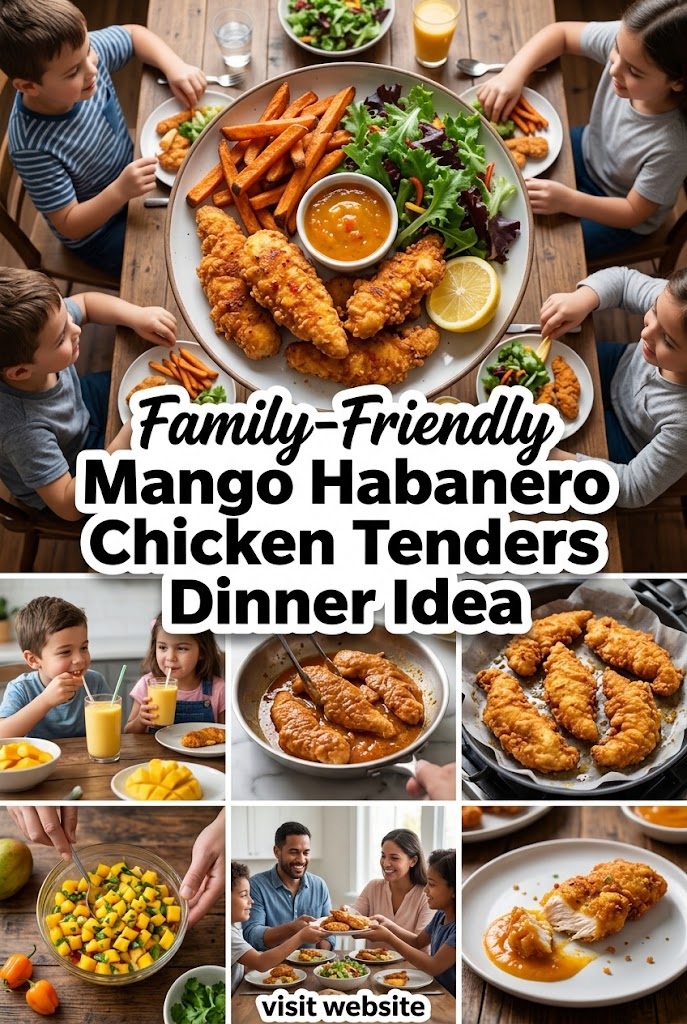
Family-Friendly Mango Habanero Chicken Tenders Dinner Idea
A Tropical Twist on a Weeknight Classic
In the realm of weeknight dinners, few things hold as much universal appeal as the chicken tender. It is the gold standard of “kid-friendly” food, a reliable comfort dish, and a versatile canvas for a world of flavors. However, the standard breaded tender can often fall into a rut of predictability. Enter the Mango Habanero Chicken Tender—a vibrant, sticky, sweet, and subtly spicy evolution that elevates the humble tender into a gourmet experience the whole family can enjoy.
The magic of this dish lies in the sophisticated balance of “sweet and heat.” While the phrase “habanero” might initially trigger alarms for parents of picky eaters, the secret to making this recipe family-friendly is all in the preparation and the ratio. By harnessing the natural sugars of ripe mangoes and carefully managing the habanero’s punch, you create a dinner that excites the adult palate while remaining accessible to children.
Why Mango Habanero is the Flavor Profile Your Kitchen Needs
The combination of fruit and chili is not a new concept; it is a staple in Caribbean, Mexican, and Southeast Asian cuisines. In the United States, we’ve seen a massive surge in the popularity of “swicy” (sweet and spicy) foods. But why does this specific pairing work so well with chicken?
The Science of Sweet and Heat
Our taste buds are complex. When we consume something spicy, like a habanero, the capsaicin binds to heat-sensing receptors. Sugars—like those found in abundance in mangoes—help to coat these receptors, effectively “buffering” the heat. This allows you to experience the fruity, floral notes of the habanero without the overwhelming burn.
The Nutritional Powerhouse of Mangoes
Mangoes aren’t just for dessert. They are packed with Vitamin C, Vitamin A, and fiber. When used in a glaze for chicken, they provide a natural thickness and stickiness that eliminates the need for excessive processed sugars or corn syrup.
Lean Protein Appeal
Chicken breast tenders are high in protein and low in fat, making them an ideal muscle-building meal for growing kids and active adults. By baking or air-frying them instead of deep-frying, you maintain the health benefits while achieving that signature crunch.
Making it “Family-Friendly”: Taming the Heat
The biggest hurdle for many families when seeing “habanero” on a menu is the fear of spice. Habaneros are notoriously hot, ranging from 100,000 to 350,000 on the Scoville scale. However, they also possess a unique apricot-like aroma that you don’t get from jalapeños or cayenne.
Step 1: The Seed Secret
Most of a chili’s heat is concentrated in the white pith (the placenta) and the seeds. By carefully removing these and using only the flesh of the pepper, you reduce the heat by nearly 70%.
Step 2: The “Split-Sauce” Method
If you have very young children, consider a two-stage glazing process. Coat all the chicken in a base mango-honey sauce first. Set aside the portions for the kids, then whisk in the blended habanero mash to the remaining sauce for the adults.
Step 3: Dairy to the Rescue
Always serve these tenders with a side of ranch or a lime-infused Greek yogurt dip. The fat and protein in dairy (specifically casein) break down capsaicin, providing an instant cooling effect if a bite turns out a bit too zesty.
The Secret to the Perfect Crispy Chicken Tender
Before we dive into the sauce, we must master the vessel: the chicken tender itself. A soggy tender is a dinner disaster. To achieve restaurant-quality results at home, we focus on three pillars: the brine, the breading, and the heat.
The Importance of the Brine
Even a short 30-minute brine in salted buttermilk or pickle juice can transform chicken. It breaks down the muscle fibers, ensuring the meat stays juicy even after being subjected to high heat. For this tropical version, adding a splash of pineapple or mango juice to the brine adds an extra layer of flavor.
Panko vs. Flour
While a traditional flour dredge is fine, Panko breadcrumbs are the secret to that “extreme crunch.” Panko is light, airy, and has a larger surface area, which allows it to brown beautifully and hold onto the mango habanero glaze without becoming mushy.
High-Heat Roasting
To get that fried texture without the vat of oil, we recommend a high-heat approach. Setting your oven to 425°F (220°C) or using an air fryer at 400°F ensures the exterior crisps up before the interior dries out.
Ingredients Deep Dive: From the Orchard to the Pantry
To make the best Mango Habanero Chicken Tenders, quality ingredients are paramount. Here is what you need to look for:
1. The Chicken
Look for “chicken tenderloins” rather than slicing up chicken breasts. The tenderloin is a specific muscle (the pectoralis minor) located underneath the breast. It is naturally more tender and cooks more evenly.
2. The Mangoes
You want mangoes that are “yielding” but not mushy.
- Honey (Ataulfo) Mangoes: These are creamy, non-fibrous, and very sweet. They are the best choice for sauces.
- Tommy Atkins: These are more common in US grocery stores. They are larger but can be a bit more fibrous. If using these, ensure you blend the sauce very well and perhaps strain it.
3. The Habanero
Look for bright orange, firm peppers. If you want a milder flavor, you can substitute a Scotch Bonnet (which is similar in flavor but slightly fruitier) or even a red Fresno chili for a much lower heat level.
4. The Aromatics
- Fresh Ginger: Adds a zing that cuts through the sweetness.
- Garlic: Provides a savory backbone.
- Lime Juice: Essential for acidity to balance the sugar.
The Recipe: Step-by-Step Mango Habanero Chicken Tenders
Ingredients List
For the Chicken:
- 1.5 lbs chicken tenderloins
- 1 cup buttermilk (or milk with 1 tbsp lemon juice)
- 2 cups Panko breadcrumbs
- 1/2 cup all-purpose flour
- 2 eggs, beaten
- 1 tsp garlic powder, 1 tsp onion powder, 1 tsp salt, 1/2 tsp black pepper
- Cooking spray (avocado or olive oil)
For the Mango Habanero Glaze:
- 2 ripe mangoes, peeled and cubed (approx. 2 cups)
- 1 habanero pepper (seeded and finely minced—use half for less heat)
- 3 tbsp honey or agave nectar
- 2 tbsp apple cider vinegar
- 1 tbsp soy sauce (for umami)
- 1 tsp freshly grated ginger
- 2 cloves garlic, minced
- Juice of 1 lime
Step 1: Marinate the Chicken
Place your chicken tenders in a bowl and cover with buttermilk. Let them sit for at least 30 minutes in the refrigerator. This step is the difference between “okay” chicken and “spectacular” chicken.
Step 2: Prepare the Mango Habanero Sauce
While the chicken marinate, make the sauce.
- Place the cubed mango, habanero (start with half if you are nervous!), honey, vinegar, soy sauce, ginger, and garlic into a blender or food processor.
- Pulse until completely smooth.
- Pour the mixture into a small saucepan over medium heat.
- Simmer for 10-15 minutes until the sauce reduces and thickens into a syrupy consistency. It should coat the back of a spoon.
- Stir in the lime juice at the very end to keep the flavor bright. Set aside.
Step 3: The Breading Station
Set up three shallow bowls:
- Bowl 1: Flour mixed with salt, pepper, garlic powder, and onion powder.
- Bowl 2: Beaten eggs.
- Bowl 3: Panko breadcrumbs.
Take a tender from the buttermilk, dredge in flour, dip in egg, and finally press firmly into the Panko.
Step 4: Cooking for Maximum Crunch
Oven Method:
- Place a wire rack over a baking sheet (this allows air to circulate under the chicken).
- Spray the rack with oil.
- Arrange tenders and spray the tops of the chicken generously with cooking oil.
- Bake at 425°F for 15-18 minutes, flipping halfway through, until golden brown and the internal temperature reaches 165°F.
Air Fryer Method:
- Place tenders in a single layer in the basket.
- Spray with oil.
- Cook at 400°F for 10-12 minutes, shaking the basket halfway through.
Step 5: The Glaze
Once the chicken is cooked and crispy, you have two choices:
- The Toss: Place the hot chicken in a large bowl, pour the sauce over, and toss gently until coated. This results in a sticky, “wings-style” tender.
- The Dip: Serve the sauce on the side. This keeps the tenders maximum-crispy and allows individuals to control their own spice and sauce levels.
Best Side Dishes to Complement Mango Habanero
Because this dish is bold and tropical, your side dishes should either lean into that theme or provide a neutral, cooling balance.
1. Coconut Lime Rice
The creaminess of coconut milk in the rice acts as a perfect foil for the spicy glaze. Simply swap half the water for full-fat coconut milk when cooking your jasmine rice and stir in fresh lime zest at the end.
2. Tropical Slaw
A vinegar-based slaw with shredded cabbage, carrots, bell peppers, and cilantro provides a refreshing crunch. Add some pineapple chunks or thin mango strips to the slaw to mirror the flavors in the chicken.
3. Charred Corn on the Cob
Corn has a natural sweetness that pairs beautifully with chili. Grill the corn and top with a little lime juice and cotija cheese for an elote-inspired side.
4. Sweet Potato Fries
The earthiness of sweet potatoes complements the fruitiness of the mango. Serve them with a side of honey-mustard or a cool avocado dip.
Cooking Methods: Air Fryer vs. Oven vs. Deep Fry
Which method should you choose? It depends on your lifestyle and health goals.
- Deep Frying: Provides the most traditional “fast food” crunch. It’s indulgent and delicious but requires more cleanup and adds significant calories.
- Oven Baking: The most convenient for large families. You can cook 20+ tenders at once on a large sheet pan. The wire rack trick is essential here to prevent “soggy bottoms.”
- Air Frying: The best middle ground. It uses 90% less oil than deep frying but achieves a level of crispness that the oven struggles to match. It is ideal for smaller batches or “dinner for two.”
Meal Prep and Storage Hacks
This recipe is a meal-prepper’s dream. You can easily double the batch and use the leftovers in various ways throughout the week.
How to Store
Keep cooked tenders in an airtight container in the refrigerator for up to 4 days. If possible, store the sauce separately from the chicken to prevent the breading from getting soft.
Reheating for “Day Two” Crunch
Never use the microwave for breaded chicken! It will turn the crust rubbery.
- Toaster Oven/Oven: Reheat at 350°F for 5-8 minutes.
- Air Fryer: Reheat at 375°F for 3-4 minutes. This will bring back nearly all of the original crunch.
Freezing
You can freeze the breaded (but uncooked) tenders. Place them on a baking sheet to flash-freeze for an hour, then transfer to a freezer bag. Cook from frozen, adding about 5-7 minutes to your bake time.
Dietary Substitutions: GF, Keto, and Vegan Options
Everyone should be able to enjoy the mango habanero experience, regardless of dietary restrictions.
Gluten-Free (GF)
- The Breadcrumb: Use GF Panko or crushed gluten-free cornflakes.
- The Flour: Use a 1:1 GF baking flour or cornstarch.
- The Soy Sauce: Ensure you use Tamari or liquid aminos.
Low-Carb / Keto
- The Breading: Use crushed pork rinds (chicharrones) or almond flour mixed with parmesan cheese.
- The Sauce: Replace the honey with an erythritol-based syrup and use slightly less mango (as mango is high in natural sugar), or use a mango-flavored stevia drop.
Vegan / Vegetarian
- The Protein: Substitute chicken with cauliflower florets or firm tofu sticks. For cauliflower, dip the raw florets in a batter of flour and water before rolling in Panko.
- The Glaze: Use agave instead of honey and ensure your soy sauce is vegan.
The Cultural Context: Why “Mango Habanero” is a Global Fusion
The flavor profile of mango and habanero is a testament to the “fusion” movement. The habanero is native to the Amazon region but became a staple in the Yucatan Peninsula of Mexico. Mangoes, meanwhile, originated in South Asia and were brought to the Americas by Portuguese and Spanish explorers.
When we combine these in a breaded chicken tender—a quintessential American invention—we are essentially eating a plate of history. This dish represents the merging of global trade routes, combining the heat of the Americas with the sweetness of Asian tropical fruits.
Troubleshooting Common Issues
“My sauce is too spicy!”
If you accidentally over-habanero’d your sauce, don’t panic. Add more mango puree, a splash more honey, or a tablespoon of butter. The fat in the butter helps mellow out the capsaicin.
“The breading is falling off.”
This usually happens because the chicken was too wet before the flour stage, or the oil wasn’t hot enough. Make sure to pat your chicken dry before putting it in the buttermilk, and always let the breaded chicken “rest” for 5 minutes before cooking. This helps the breading adhere to the meat.
“The sauce is too thin.”
Continue to simmer the sauce on low heat. Reduction is key. If you are in a rush, a small cornstarch slurry (1 tsp cornstarch mixed with 1 tsp cold water) stirred into the boiling sauce will thicken it instantly.
Elevating the Presentation
If you are serving this for a dinner party or just want to impress the kids, presentation matters.
- Garnish: Use fresh cilantro leaves and thinly sliced green onions for a pop of green against the orange sauce.
- The “Swoosh”: Spread a spoonful of Greek yogurt or avocado crema on the plate and arrange the tenders on top.
- Fruit Accents: Serve with a few fresh slices of mango and a lime wedge on the side for a “resort-style” feel.
The Psychology of the Family Dinner
Why does this dish work so well for families? It’s about “the bridge.” Children often struggle with “new” foods because they lack a familiar anchor. Chicken tenders are the anchor. By introducing a new, slightly complex flavor (mango habanero) on a familiar substrate (chicken tenders), you are expanding your child’s palate without the battle.
It encourages them to explore different cultures and flavor profiles in a way that feels safe. For the parents, it breaks the monotony of the standard “nugget and fries” routine, providing a meal that feels like it could be served at a high-end gastropub.
Beyond the Tender: Other Uses for the Sauce
If you find yourself with leftover mango habanero glaze, do not throw it away! It is a liquid gold condiment that works on almost everything:
- Grilled Shrimp: Brush it on shrimp skewers during the last 2 minutes of grilling.
- Tacos: Use it as a drizzle over fish or pork carnitas tacos.
- Roasted Veggies: Toss roasted Brussels sprouts or carrots in the sauce for a spicy-sweet side dish.
- Burger Topping: Use it as a “jam” on a turkey burger with a slice of pepper jack cheese.
Final Thoughts: A New Weeknight Hero
The Family-Friendly Mango Habanero Chicken Tender is more than just a recipe; it’s a strategy for better weeknight eating. It proves that you don’t have to sacrifice flavor for the sake of the kids, and you don’t have to spend hours in the kitchen to produce something that tastes “gourmet.”
With its crunchy exterior, juicy interior, and a glaze that hits every note on the tongue—sweet, sour, salty, and spicy—this dish is destined to become a top-tier rotation in your household. So, grab a couple of ripe mangoes, be brave with that habanero, and transform your next chicken dinner into a tropical escape.
Whether you are hosting a game day, looking for a fresh Sunday dinner, or simply trying to survive a busy Tuesday, these tenders are the answer. They are a celebration of flavor, a masterclass in texture, and a guaranteed way to bring everyone to the table with a smile. Enjoy the heat, savor the sweet, and most importantly, enjoy the time spent sharing a delicious meal with those you love.