
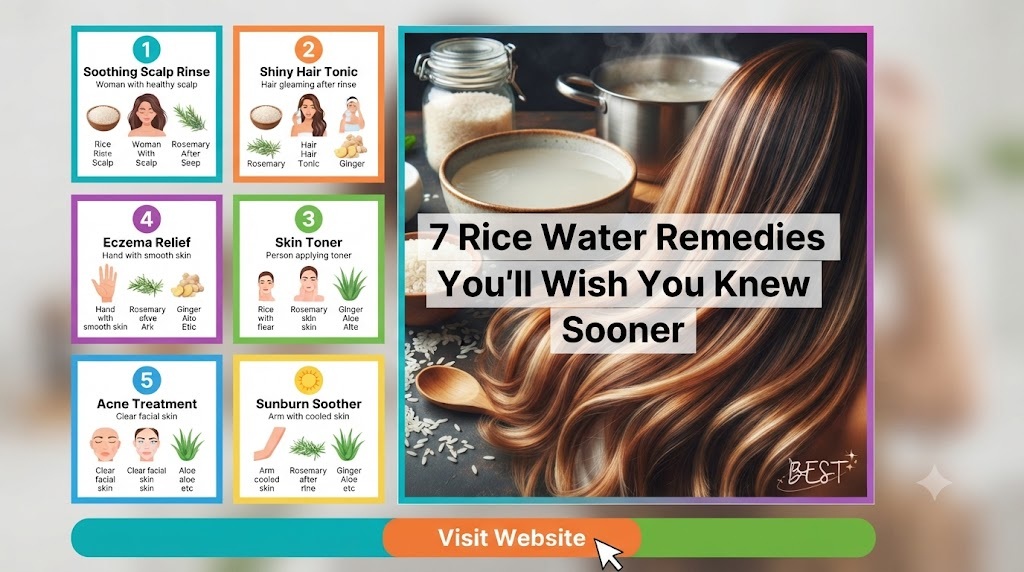
Rice water remedies
The Ultimate Guide to Rice Water: The Ancient “Liquid Gold” for Hair, Skin, and Health
In the quest for flawless skin and Rapunzel-like hair, the beauty industry often points us toward expensive serums, chemical-laden conditioners, and high-tech dermatological treatments. However, one of the most potent beauty secrets in the world doesn’t come from a laboratory—it comes from your kitchen pantry.
Rice water, the starchy liquid left over after soaking or boiling rice, has been a cornerstone of Asian beauty rituals for centuries. From the legendary Yao women of Huangluo Village in China, who are famous for their six-foot-long hair that doesn’t turn grey until their 80s, to the court ladies of Japan’s Heian period, rice water is the “secret sauce” of longevity and radiance.
1. The Science of Rice Water: Why It Actually Works
To understand why rice water is so effective, we must look at its chemical composition. It isn’t just “cloudy water”; it is a nutrient-dense suspension of bioactive compounds.
The Power of Inositol
One of the primary components of rice water is Inositol, a carbohydrate that can penetrate damaged hair and repair it from the inside out. Unlike many commercial oils that simply coat the hair, inositol stays inside the hair shaft even after rinsing, providing ongoing protection and elasticity.
Ferulic Acid and Allantoin
Rice water is rich in Ferulic Acid, a powerful antioxidant that helps protect the skin from free radicals and UV damage. It also contains Allantoin, a compound known for its anti-inflammatory properties, making it excellent for soothing irritated skin or a sensitive scalp.
Vitamins and Minerals
Every drop of rice water contains a cocktail of essential nutrients:
- Vitamin E: Promotes scalp health and supports hair growth.
- B Vitamins (B1, B2, B3, B6): Strengthen the hair follicle and improve skin cell turnover.
- Amino Acids: The building blocks of protein, which help repair skin tissue and strengthen the hair’s keratin structure.
- Minerals: Zinc, magnesium, and potassium that help balance the skin’s pH and control oil production.
2. Benefits for Hair: Beyond Length and Shine
While “hair growth” is the most popular reason people turn to rice water, its benefits are far more nuanced.
Accelerated Hair Growth
The amino acids in rice water help in the regeneration of hair and aid the faster growth of your hair. By nourishing the follicles, it ensures that the hair growing out is strong and healthy from the start.
Strengthening the Hair Shaft
Rice water increases the protein content of your hair. This is particularly beneficial for those with high-porosity hair, where the cuticles are open and prone to breakage. The starch in the water fills in the gaps in the hair cuticle, making it smoother and more resilient.
Detangling and Softening
If you struggle with knots and frizz, rice water acts as a natural conditioner. It improves surface friction, making the hair easier to comb through and reducing the mechanical damage caused by brushing.
Scalp Health and Dandruff Control
Because rice water contains antioxidants and vitamins, it helps maintain a healthy scalp environment. Fermented rice water, in particular, has a lower pH that matches the natural pH of the scalp, helping to inhibit the growth of fungi that cause dandruff.
3. Benefits for Skin: The Natural Glow-Up
Rice water is essentially a natural toner and soothing agent that rivals high-end “Essences” sold in luxury department stores.
Skin Brightening and Toning
Rice water has been shown to inhibit the activity of tyrosinase, the enzyme responsible for melanin production. Regular use can lead to a more even skin tone, a reduction in dark spots, and a visible “brightening” effect.
Anti-Aging Properties
The antioxidants in rice water combat the oxidative stress that leads to wrinkles and fine lines. Furthermore, it helps maintain the skin’s elasticity by inhibiting elastase, an enzyme that breaks down elastin.
Acne and Inflammation Relief
For those suffering from acne or eczema, rice water is a gentle way to calm the skin. It acts as an astringent, tightening the pores and reducing the redness associated with inflammatory skin conditions.
Sunburn Recovery
The cooling effect of rice water, combined with its ability to repair the skin barrier, makes it an excellent home remedy for soothing sunburns and reducing heat-induced redness.
4. How to Make Rice Water: 3 Proven Recipes
Not all rice water is created equal. Depending on your time and needs, you can choose from these three primary methods.
Method 1: The Soaking Method (Quick & Easy)
This is the fastest way to get rice water and is best for those with sensitive skin who may find the fermented version too strong.
Ingredients:
- ½ cup of uncooked rice (organic white, brown, or jasmine).
- 2 to 3 cups of water.
Instructions:
- Rinse: Place the rice in a bowl and rinse it quickly with water to remove dirt or impurities. Drain this initial water.
- Soak: Add the 2-3 cups of fresh water to the rice. Let it sit for 30 to 60 minutes.
- Massage: Swirl the rice around and lightly press it with your fingers to help the nutrients leach into the water.
- Strain: Strain the rice and collect the cloudy water in a clean jar or spray bottle.
- Storage: Use immediately or refrigerate for up to 4 days.
Method 2: The Fermented Method (The Gold Standard)
Fermentation lowers the pH of the rice water to match the pH of your hair and skin. It also produces “Pitera,” a yeast-derived clear liquid rich in vitamins and minerals that is the key ingredient in many luxury skincare brands.
Ingredients:
- ½ cup of uncooked rice.
- 3 cups of water.
Instructions:
- Rinse and Soak: Follow the soaking method steps but let the rice sit in the water for at least 2 hours.
- Strain: Strain the rice water into a glass jar.
- Ferment: Leave the jar at room temperature for 12 to 48 hours. The warmer the room, the faster it will ferment. You will know it’s ready when it starts to smell slightly sour.
- Stop the Process: Once fermented, boil the water quickly to stop the fermentation process (optional) or simply move it to the refrigerator.
- Dilute: Fermented rice water is very potent. Dilute it with 1-2 cups of plain warm water before using it on your hair.
Method 3: The Boiled Method (Concentrated)
Boiling creates a concentrated “rice glue” or thick water that is excellent for hair masks or as a base for skin cleansers.
Ingredients:
- ½ cup of rice.
- Double the amount of water you would normally use for cooking (about 3-4 cups).
Instructions:
- Cook: Boil the rice in the excess water.
- Strain: Once the water becomes a thick, milky white, strain the rice out.
- Cool: Allow the concentrated liquid to cool completely.
- Usage: This will be very thick. Use it as a hair mask or dilute it significantly to use as a rinse.
5. Step-by-Step Rice Water Hair Routine
To see the “Yao Village” results, consistency and proper application are key.
Step 1: Wash Your Hair
Always start with clean hair. Use a gentle, sulfate-free shampoo to remove any product buildup. This ensures the rice water can actually penetrate the hair shaft.
Step 2: The Application
- For the Scalp: Use a spray bottle to saturate your scalp. Massage the water in with your fingertips for 5 minutes to stimulate blood flow.
- For the Lengths: Lean over a basin and pour the rice water over your hair, catching it in the bowl and re-pouring it several times.
Step 3: The Wait
Cover your hair with a shower cap. This creates a warm environment that helps the hair cuticles open up and absorb the inositol. Leave it on for 20 to 30 minutes. Note: Do not leave it on overnight, as this can lead to protein overload.
Step 4: The Rinse
Rinse thoroughly with cool water. Cool water helps seal the cuticles back down, locking in the nutrients and adding shine.
Step 5: Condition (Optional)
If your hair feels a bit stiff or “starchy” after the rinse, apply a tiny amount of lightweight conditioner to the ends and rinse again.
6. How to Use Rice Water for Skincare
As a Daily Toner
After cleansing your face, soak a cotton pad in chilled rice water and swipe it across your skin. It helps shrink pores and provides an instant mattifying effect for oily skin.
As a Soothing Face Mask
Soak a compressed paper mask or even paper towels in rice water. Lay them over your face for 10-15 minutes. This is a fantastic “emergency” treatment for irritated or dull skin.
As a Face Wash
Instead of using tap water, use rice water to splash your face in the morning. It leaves a thin layer of protective antioxidants on the skin throughout the day.
Rice Water Ice Cubes
Freeze rice water in ice trays. Rub an ice cube over your face in the morning to reduce puffiness, tighten the skin, and boost circulation.
7. Customizing Your Rice Water (Add-ins)
Plain rice water is great, but adding these ingredients can target specific concerns:
- For Hair Growth (Rosemary/Peppermint): Add 5 drops of rosemary or peppermint essential oil to your rice water. These oils stimulate the follicles and mask the sour smell of fermentation.
- For Dandruff (Tea Tree Oil): Tea tree oil has antifungal properties that complement the rice water’s pH-balancing effects.
- For Dry Hair (Aloe Vera/Honey): Mix in a tablespoon of aloe vera gel or honey to add humectant properties, ensuring your hair stays hydrated.
- For Shine (Citrus Peels): Boil orange or lemon peels with your rice. The acidity adds incredible shine and a pleasant scent.
8. Important Considerations: Protein Overload
While rice water is a miracle for many, it isn’t for everyone every day. The most common issue is Protein Overload.
What is Protein Overload?
Hair needs a balance of moisture and protein. Rice water is very high in protein-like amino acids and starch. If you use it too often, the protein builds up on the hair, making it feel:
- Dry and straw-like.
- Brittle and prone to snapping.
- Tangled and stiff.
How to Prevent It:
- Frequency: If you have low-porosity hair (hair that doesn’t absorb water easily), use rice water once every 2 weeks. For high-porosity or damaged hair, you can use it once a week.
- The Touch Test: If your hair feels hard after a treatment, you’ve used too much. Follow up with a deep moisture mask (oils/honey) to restore balance.
- Dilution: Always dilute fermented or boiled rice water.
9. Health Benefits of Drinking Rice Water (Kanji)
In many cultures, rice water (often called Kanji or Congee water) is consumed for its medicinal properties.
Digestive Health
Rice water is a traditional remedy for diarrhea and food poisoning. It is easy to digest and helps bind the stool. It also provides a soothing coating for the stomach lining.
Energy Boost
Because it contains carbohydrates from the rice starch, drinking a glass of warm rice water can provide a quick burst of energy, similar to a natural electrolyte drink.
Hydration and Fever Relief
During a fever, the body loses fluids and nutrients. Rice water helps replenish lost minerals and prevents dehydration.
Note: If you plan to drink rice water, ensure the rice was thoroughly cleaned and that you use the “Boiled Method” to ensure it is sterilized.
10. Frequently Asked Questions (FAQ)
Which rice is best for rice water?
White rice is the most traditional, but Brown Rice contains more fiber and protein, and Black Rice (Forbidden Rice) is the highest in antioxidants (anthocyanins). Any variety will work, but organic is preferred to avoid pesticide residue.
Does rice water smell?
The soaking method has a very faint, pleasant grain smell. The fermented method can smell sour or like “yeasty beer.” You can neutralize the smell by adding essential oils or citrus peels.
How long does it take to see results?
For skin, you may notice a “glow” and smoother texture within 3-5 days. For hair growth and strength, it typically takes 4-6 weeks of consistent weekly use to see a significant difference.
Can I leave rice water in my hair?
It is not recommended for most hair types. Leaving it in can lead to a “starchy” buildup and potential bacterial growth on the scalp. Always rinse it out.
Is rice water safe for color-treated hair?
Yes! In fact, it can help repair the damage caused by chemical dyes. However, because it contains protein, don’t overdo it, as color-treated hair is already prone to being brittle.
11. Sustainability: A Zero-Waste Beauty Choice
One of the most beautiful aspects of rice water is its environmental impact—or lack thereof. By using rice water, you are:
- Reducing Plastic Waste: No need to buy plastic bottles of expensive toners or hair masks.
- Water Conservation: You are repurposing water that would otherwise be poured down the drain during cooking.
- Chemical-Free: You are keeping microplastics and synthetic silicones out of the water system.
12. Conclusion: The Power of Ritual
Rice water is more than just a DIY remedy; it is a lesson in the power of simplicity. In an era of “more is more,” rice water reminds us that nature often provides exactly what we need.
To succeed with rice water, view it as a ritual. Take the time to massage your scalp, to let the nutrients soak into your skin, and to observe how your body responds. Whether you are looking for longer hair, clearer skin, or a healthier gut, this ancient “liquid gold” is a versatile, affordable, and effective tool in your beauty arsenal.
Start your rice water journey today—your hair and skin will thank you.