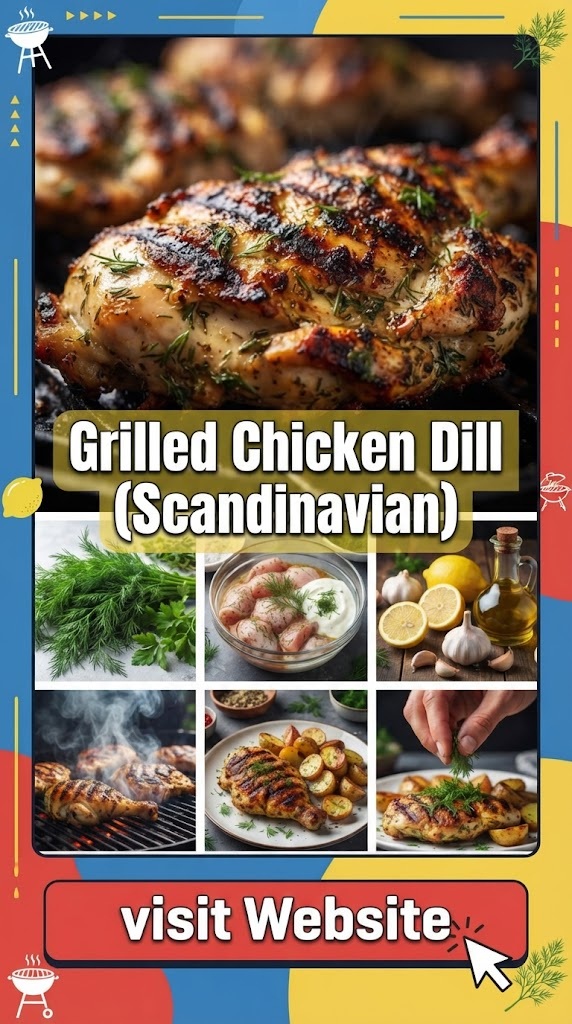

Grilled Chicken Basil (Mediterranean)
Grilled Chicken Basil (Mediterranean): Juicy, Flavorful, and Easy to Make
Grilled Chicken Basil is a simple Mediterranean-inspired dish that turns everyday chicken into a fresh, aromatic, and satisfying meal. The combination of tender chicken, fragrant fresh basil, garlic, lemon, olive oil, and a few carefully chosen seasonings creates a flavor profile that is bright, savory, herby, and wonderfully balanced.
This recipe is especially useful for busy weeknight dinners because the ingredients are easy to find and the chicken can be prepared ahead of time. It is also an excellent choice for summer grilling, family gatherings, meal preparation, or a relaxed outdoor dinner.
The key to excellent grilled chicken is not complicated technique. It comes down to three things: properly preparing the chicken, giving it enough time to absorb the marinade, and cooking it carefully so it remains juicy inside while developing attractive grill marks outside.
Fresh basil is the star of this Mediterranean-style recipe. Its sweet, slightly peppery aroma pairs naturally with lemon and garlic. Extra-virgin olive oil carries those flavors into the chicken while helping prevent the meat from drying out during grilling. Lemon juice provides acidity, which brightens the marinade and balances the richness of the olive oil.
Whether served with a Mediterranean salad, roasted vegetables, rice, couscous, warm pita, or grilled vegetables, this chicken makes a versatile centerpiece for a complete meal.
Why You Will Love This Grilled Chicken Basil Recipe
There are plenty of grilled chicken recipes, but this version stands out because it delivers a lot of flavor without requiring a complicated ingredient list.
Fresh Mediterranean Flavor
Fresh basil, lemon, garlic, and olive oil create a naturally Mediterranean flavor combination. The ingredients are bright enough for summer but comforting enough for dinner throughout the year.
Juicy Chicken
A good marinade and careful cooking help keep chicken moist. Using chicken breasts that are similar in thickness also helps them cook evenly.
Easy Preparation
The marinade can be mixed in just a few minutes. Once the chicken is marinated, grilling is quick and straightforward.
Versatile Serving Options
You can serve the chicken with vegetables, salads, pasta, potatoes, grains, bread, or even slice it for sandwiches and wraps.
Excellent for Meal Prep
Cooked chicken keeps well in the refrigerator and can be sliced into salads, bowls, wraps, and sandwiches throughout the week.
Complete Recipe at a Glance
Recipe: Grilled Chicken Basil (Mediterranean)
Cuisine: Mediterranean-inspired
Preparation Time: 15 minutes
Marinating Time: 30 minutes to 4 hours
Cooking Time: Approximately 10–16 minutes, depending on thickness
Total Active Time: About 30 minutes
Servings: 4
Difficulty: Easy
Cooking Method: Outdoor grill or indoor grill pan
Ingredients
For the Chicken
- 4 boneless, skinless chicken breasts, approximately 6–8 ounces each
- 2 tablespoons extra-virgin olive oil
- 2 tablespoons fresh lemon juice
- 1 tablespoon lemon zest
- 3 cloves garlic, finely minced
- 1/2 cup fresh basil leaves, finely chopped
- 1 teaspoon dried oregano
- 1 teaspoon kosher salt
- 1/2 teaspoon freshly ground black pepper
- 1/2 teaspoon paprika
- 1/4 teaspoon red pepper flakes, optional
- 1 teaspoon honey, optional, for subtle balance
- 1 tablespoon chopped fresh parsley, optional
For Finishing
- Fresh basil leaves
- Lemon wedges
- 1 tablespoon extra-virgin olive oil
- Freshly ground black pepper
- Optional crumbled feta cheese
Optional Mediterranean Serving Ingredients
- Cucumber
- Cherry tomatoes
- Red onion
- Kalamata olives
- Feta cheese
- Hummus
- Warm pita bread
- Cooked couscous
- Cooked rice
- Roasted potatoes
- Grilled zucchini
- Grilled bell peppers
- Mixed greens
Ingredient Details and Why They Matter
Chicken
Boneless, skinless chicken breasts are convenient and lean, making them ideal for this recipe. However, chicken breasts vary significantly in thickness. A very thick breast may become dry on the outside before the center is completely cooked.
For more consistent results, gently pound the chicken to an even thickness of approximately 3/4 inch.
Chicken thighs are another excellent option. They contain more fat and are naturally forgiving during grilling. If using thighs, cooking time may vary depending on their size.
Olive Oil
Extra-virgin olive oil gives the marinade its Mediterranean character. It also helps distribute the herbs and spices across the chicken.
Use a good-quality olive oil, but there is no need to use your most expensive bottle for the marinade.
Fresh Basil
Fresh basil provides the defining flavor of this dish. Wash the leaves gently and dry them thoroughly before chopping.
Avoid chopping basil far in advance because it can darken when exposed to air. For the freshest appearance, prepare it shortly before making the marinade.
Garlic
Garlic adds savory depth. Three cloves create a noticeable garlic flavor without overpowering the basil.
If you love garlic, you can increase the amount to four cloves.
Lemon
Lemon juice brings acidity and freshness, while lemon zest provides concentrated citrus aroma.
Using both juice and zest gives the chicken a much more pronounced lemon character than juice alone.
Oregano
Oregano complements basil beautifully and gives the chicken a classic Mediterranean flavor.
Dried oregano works particularly well in marinades because its concentrated flavor spreads throughout the oil.
Paprika
Paprika contributes mild warmth and helps the chicken develop a beautiful golden color on the grill.
Red Pepper Flakes
These are optional. Use them if you enjoy a gentle spicy kick.
Honey
A small amount of honey is optional. It rounds out the acidity of the lemon and encourages attractive browning.
Do not use too much because sugary marinades can burn over high heat.
How to Prepare Grilled Chicken Basil Step by Step
Step 1: Prepare the Chicken
Place the chicken breasts on a clean cutting board.
If the breasts are very thick, place them between two pieces of plastic wrap or parchment paper and gently pound them with a meat mallet until they are approximately 3/4 inch thick.
Do not pound the chicken aggressively. The goal is simply to create an even thickness.
Uniform chicken pieces cook more evenly and reduce the chance of having an overcooked exterior and undercooked center.
Pat the chicken dry with paper towels.
Drying the surface is important because excessive moisture can dilute the marinade and interfere with browning.
Step 2: Make the Basil Marinade
Add the olive oil, lemon juice, lemon zest, minced garlic, chopped basil, oregano, salt, black pepper, paprika, and optional red pepper flakes and honey to a bowl.
Whisk everything together until combined.
The mixture should smell strongly of fresh basil, lemon, and garlic.
Taste a tiny amount of the marinade before adding raw chicken. Adjust the salt, lemon, pepper, or herbs if necessary.
Remember that the marinade should taste slightly stronger than you expect the finished chicken to taste because not all of the marinade will remain on the meat.
Step 3: Marinate the Chicken
Place the chicken into a resealable food-safe bag or shallow nonreactive container.
Pour the marinade over the chicken.
Turn each piece several times so it becomes thoroughly coated.
Seal the bag or cover the container and place it in the refrigerator.
Marinate for at least 30 minutes.
For stronger flavor, marinate for 2–4 hours.
Avoid excessively long marinating times when using a substantial amount of lemon juice. Very acidic marinades can begin changing the texture of the outer surface of chicken if left for too long.
Always marinate raw chicken in the refrigerator, never at room temperature.
Step 4: Prepare the Grill
Preheat your grill to medium-high heat.
For many grills, this is approximately 400–450°F.
Clean the grill grates thoroughly.
Once the grill is hot, lightly oil the grates using an appropriate grilling method.
A properly preheated grill helps create attractive grill marks and reduces sticking.
Do not place cold chicken onto a poorly heated grill and expect good browning. Give the grill enough time to reach a stable cooking temperature.
Step 5: Remove Excess Marinade
Take the chicken from the refrigerator.
Let excess marinade drip off before placing the chicken on the grill.
Do not brush raw leftover marinade onto cooked chicken unless it has first been brought to a full boil and safely cooked.
For convenience and food safety, it is usually easier to discard the marinade after the raw chicken has been removed.
Step 6: Grill the Chicken
Place the chicken directly onto the hot grill.
Close the lid if using an outdoor gas or charcoal grill.
Cook for approximately 5–8 minutes on the first side, depending on the thickness of the chicken.
Avoid repeatedly moving the chicken.
Let it cook undisturbed long enough to develop grill marks.
When the chicken releases easily from the grill, turn it over.
Cook the second side for another 5–8 minutes, or until the chicken reaches a safe internal temperature.
Cooking time can vary considerably according to chicken thickness, grill temperature, weather, and whether the grill is covered.
The safest way to determine doneness is with an instant-read thermometer.
Insert the thermometer into the thickest portion of the chicken.
Chicken should reach an internal temperature of 165°F (74°C) for food safety.
Step 7: Check for Doneness
Do not rely solely on color.
Chicken can appear cooked on the outside while remaining undercooked in the center.
Likewise, cutting the chicken open repeatedly can release juices and make it harder to judge accurately.
An instant-read thermometer is the best tool.
Insert it sideways into the thickest part of the breast for the most reliable reading.
Once the chicken reaches 165°F, remove it from the grill.
Step 8: Rest the Chicken
Transfer the cooked chicken to a clean plate or cutting board.
Let it rest for approximately 5 minutes before slicing.
Resting allows the juices to redistribute through the meat.
If you slice immediately after grilling, more of the flavorful juices may escape onto the cutting board.
While the chicken rests, prepare your salad, pita, sauce, or side dishes.
Step 9: Finish with Fresh Basil and Lemon
After resting, drizzle the chicken with a small amount of extra-virgin olive oil.
Add a few fresh basil leaves.
Finish with freshly ground black pepper and a squeeze of lemon juice.
For a more traditional Mediterranean-style presentation, add a little crumbled feta cheese alongside the chicken rather than directly covering the entire surface.
How to Get Perfectly Juicy Grilled Chicken
Grilled chicken breast has a reputation for becoming dry, but the problem is usually technique rather than the ingredient itself.
Keep the Thickness Even
Thin and thick sections cook at different speeds. Pounding the chicken to an even thickness makes a major difference.
Do Not Overcook
The most common reason grilled chicken becomes dry is excessive cooking.
Use a thermometer instead of relying on a fixed cooking time.
Preheat the Grill
A hot grill gives the chicken a quick sear and reduces the time needed to cook the meat.
Do Not Constantly Flip
Frequent movement can prevent good grill marks and make it harder for the chicken to develop a nicely browned exterior.
Rest Before Slicing
Give the chicken several minutes to rest after cooking.
Use Thighs for Extra Forgiveness
If you are concerned about dry chicken, boneless skinless chicken thighs are an excellent alternative. They contain more fat and remain juicy through a wider range of cooking times.
Common Mistakes to Avoid
Using Wet Chicken
Excess surface moisture can prevent proper browning.
Always pat the chicken dry before marinating.
Over-Marinating
More time does not always mean more flavor.
The lemon juice in this marinade is acidic, and excessive exposure can negatively affect texture.
Grilling Over Extremely High Heat
Very high heat can burn the garlic, basil, and other ingredients on the exterior before the chicken cooks through.
Medium-high heat is usually a better balance.
Cutting the Chicken Too Early
Cutting immediately after grilling can cause juices to run out.
Let the chicken rest first.
Guessing Doneness
Color is not a reliable indicator of food safety.
Use a thermometer.
Reusing Raw Marinade
Never use marinade that has touched raw chicken as a finished sauce unless it is thoroughly cooked first.
Indoor Grilled Chicken Basil
You do not need an outdoor grill to make this recipe.
A cast-iron grill pan works very well.
Preheat the pan over medium-high heat.
Lightly oil it.
Place the marinated chicken into the hot pan.
Cook for approximately 5–8 minutes per side, adjusting the heat if the basil or garlic begins to burn.
Because indoor grill pans can become smoky, turn on your kitchen ventilation system and keep the cooking area well ventilated.
Check the thickest part of the chicken with an instant-read thermometer.
Remove it when it reaches 165°F.
Rest before serving.
How to Make This Recipe with Chicken Thighs
Chicken thighs are a delicious alternative to chicken breasts.
Use approximately 1 1/2 to 2 pounds of boneless, skinless chicken thighs.
Trim away excessive fat if desired.
Marinate them using the same basil mixture.
Because thighs are usually thinner and contain more fat, their cooking time can vary.
Grill until the thickest pieces reach at least 165°F.
Many people prefer chicken thighs cooked beyond the minimum safe temperature because their connective tissue becomes more tender with additional cooking.
Do not assume that a particular cooking time will always work. Use temperature and appearance together.
Mediterranean Side Dishes to Serve with Basil Chicken
Greek-Style Salad
Combine cucumber, tomatoes, red onion, olives, feta, olive oil, and lemon juice.
The cool, crunchy vegetables provide a refreshing contrast to the warm grilled chicken.
Couscous
Fluffy couscous is an easy side that absorbs the juices from the chicken.
Add parsley, lemon zest, chopped cucumber, or toasted almonds for additional flavor.
Roasted Potatoes
Roast potato wedges with olive oil, garlic, oregano, salt, and pepper.
Their crispy edges pair beautifully with tender basil chicken.
Grilled Vegetables
Grilled zucchini, bell peppers, onions, and eggplant make a natural companion to this dish.
Hummus and Pita
Serve sliced chicken with warm pita and hummus for a casual Mediterranean-style meal.
Rice
Simple lemon rice or herb rice creates a satisfying base for the chicken.
Mediterranean Basil Chicken Bowl
For a complete meal-prep bowl, start with cooked rice or couscous.
Add sliced grilled basil chicken.
Then add:
- Cucumber
- Cherry tomatoes
- Red onion
- Kalamata olives
- Feta
- Hummus
- Fresh basil
- Lemon wedges
Finish with a drizzle of olive oil.
This makes an attractive lunch or dinner that can be prepared in advance.
Sauce Ideas
Although the chicken is flavorful enough on its own, sauces can add variety.
Lemon Yogurt Sauce
Mix plain Greek yogurt with lemon juice, garlic, salt, black pepper, and chopped basil.
Refrigerate for at least 15 minutes before serving.
Basil Yogurt Sauce
Combine Greek yogurt, fresh basil, lemon zest, garlic, olive oil, and a small pinch of salt.
This sauce is cool, creamy, and refreshing.
Hummus
Store-bought or homemade hummus works wonderfully with grilled chicken.
Simple Herb Oil
Mix olive oil with chopped basil, parsley, lemon zest, garlic, and black pepper.
Drizzle a small amount over the cooked chicken.
How to Store Leftover Grilled Basil Chicken
Allow leftover chicken to cool appropriately and place it in a sealed food-safe container.
Refrigerate promptly.
For best quality, use refrigerated cooked chicken within 3–4 days.
Keep the chicken separate from fresh salad ingredients if you are preparing meal-prep containers.
How to Reheat the Chicken
One of the easiest ways to keep leftover chicken moist is to reheat it gently.
Slice the chicken first.
Place it in a covered skillet with a small splash of water or chicken broth.
Warm over low to medium heat until heated through.
Avoid prolonged high-heat reheating because it can quickly dry out chicken breast.
You can also microwave sliced chicken in short intervals, covered with a microwave-safe lid or damp paper towel.
Creative Ways to Use Leftovers
Leftover grilled basil chicken can become several different meals.
Basil Chicken Wrap
Slice the chicken and place it inside warm flatbread with lettuce, cucumber, tomato, feta, and yogurt sauce.
Mediterranean Chicken Salad
Combine mixed greens with chicken, tomatoes, cucumbers, olives, red onion, and feta.
Chicken Pasta
Slice the chicken and serve it over pasta with olive oil, garlic, lemon, basil, and Parmesan.
Chicken Grain Bowl
Combine chicken with rice or quinoa, roasted vegetables, hummus, and feta.
Chicken Pita
Stuff warm pita with sliced chicken, salad, hummus, and fresh herbs.
Chicken Sandwich
Layer grilled chicken with tomato, lettuce, basil, and a lemon-garlic yogurt spread.
Recipe Variations
Garlic Basil Chicken
Increase the garlic to four or five cloves for a stronger garlic-forward flavor.
Spicy Basil Chicken
Add 1/2 teaspoon red pepper flakes or a small amount of cayenne pepper.
Lemon Herb Chicken
Add chopped parsley, oregano, thyme, and extra lemon zest.
Feta Basil Chicken
Serve the grilled chicken with crumbled feta and a tomato-cucumber salad.
Tomato Basil Chicken
Serve the grilled chicken with fresh tomatoes, basil, olive oil, and balsamic vinegar.
Mediterranean Chicken Skewers
Cut the chicken into approximately 1 1/2-inch pieces before marinating.
Thread onto skewers with bell peppers and red onion.
Grill until the chicken reaches a safe internal temperature.
If using wooden skewers, soak them according to the manufacturer’s instructions to reduce the chance of burning.
Tips for Better Grill Marks
Grill marks are mostly about contact and patience.
Make sure the grill grates are clean and hot.
Place the chicken at an angle across the grates.
Leave it alone until it develops browned marks.
Rotate it approximately 90 degrees if you want a crosshatch pattern.
Then turn the chicken and repeat if desired.
Do not sacrifice proper cooking for appearance. Beautiful grill marks are useful, but safe internal temperature is the priority.
Frequently Asked Questions
Can I use dried basil?
Yes, but fresh basil is strongly recommended.
Dried basil has a different flavor and will not provide the same fresh aroma.
If fresh basil is unavailable, use approximately 1–2 teaspoons dried basil in the marinade.
Can I prepare the marinade ahead of time?
Yes.
The marinade can be mixed several hours ahead and refrigerated.
For the freshest basil flavor, however, preparing it shortly before marinating the chicken is ideal.
Can I freeze the marinated chicken?
You can freeze raw chicken with an appropriate marinade in a freezer-safe container or bag.
For best quality, use it within a reasonable freezer-storage period and thaw it safely in the refrigerator before cooking.
Can I use chicken thighs?
Absolutely.
Boneless skinless thighs are especially juicy and flavorful.
Can I make this without lemon?
Yes.
The lemon is an important flavor component, but you can substitute another mild acidic ingredient, such as a modest amount of vinegar.
However, adjust the quantity carefully because different acids have different strengths.
Why is my chicken dry?
The most common reason is overcooking.
Chicken breast contains relatively little fat, so it can quickly lose moisture when cooked beyond what is necessary.
An instant-read thermometer is the best solution.
Can I use bottled lemon juice?
You can, but fresh lemon juice is preferable.
Fresh juice has a brighter flavor, and fresh zest adds aromatic citrus oils that bottled juice cannot provide.
Can I use frozen basil?
Fresh basil gives the best texture and appearance.
Frozen basil may work in the marinade, but its texture will not be the same as fresh basil.
Can I cook the chicken in the oven?
Yes.
Place the marinated chicken in a lightly oiled baking dish or on a lined sheet pan.
Bake at approximately 425°F until the thickest portion reaches 165°F.
The exact cooking time depends on the thickness of the chicken.
Food Safety Notes
Raw chicken should always be handled carefully.
Wash your hands before and after handling raw chicken.
Use separate cutting boards and utensils for raw chicken and ready-to-eat foods, or wash and sanitize them thoroughly between uses.
Keep raw chicken refrigerated until you are ready to cook it.
Never leave raw chicken sitting at room temperature for extended periods.
Do not reuse raw chicken marinade as a sauce unless it has been thoroughly cooked.
Most importantly, use a food thermometer to verify that the chicken reaches 165°F (74°C) internally.
After cooking, place leftovers into appropriate storage containers and refrigerate them promptly.
Nutrition Information
Exact nutritional values depend on the size of the chicken breasts, amount of marinade consumed, and serving accompaniments.
For a basic serving of grilled chicken with a modest amount of olive oil-based marinade, the meal is generally high in protein and relatively low in carbohydrates.
The chicken provides protein, while olive oil supplies fat. Fresh basil, garlic, and lemon contribute flavor without requiring large quantities of sugar or processed ingredients.
Adding rice, pita, potatoes, cheese, sauces, or other sides will increase the overall calories and macronutrient content.
For precise nutrition information, calculate the ingredients using the exact brands and quantities used in your kitchen.
How to Serve Grilled Chicken Basil for Guests
For a dinner party, arrange sliced chicken on a large serving platter.
Scatter fresh basil leaves around the chicken.
Add lemon wedges.
Place a bowl of hummus or lemon yogurt sauce on the side.
Surround the chicken with grilled vegetables or roasted potatoes.
A Mediterranean salad can be served separately so guests can build their own plates.
For an outdoor gathering, serve the chicken with warm pita, cucumber salad, olives, feta, and several dipping sauces.
The colorful ingredients make the meal visually appealing while allowing everyone to customize their plate.
Meal-Prep Method
Grilled Basil Chicken is excellent for preparing several meals at once.
Cook four chicken breasts according to the recipe.
Allow them to rest and cool appropriately.
Slice the chicken.
Divide it among food-safe containers with cooked rice, couscous, roasted vegetables, or salad components.
Keep sauces and delicate greens separate when possible.
During the week, you can change the flavor of each meal with different sauces.
One day, serve the chicken with hummus.
Another day, use it in a salad.
Later, place it in a pita wrap.
This makes one batch of grilled chicken much more versatile.
The Secret to the Best Grilled Chicken Basil
The secret is balance.
The olive oil provides richness.
The lemon provides acidity.
The garlic provides savory intensity.
The basil provides freshness.
The oregano gives Mediterranean depth.
The paprika adds warmth and color.
The salt brings all of the flavors together.
None of these ingredients needs to dominate.
The best version tastes fresh and flavorful rather than overwhelmingly acidic, oily, salty, or garlicky.
Most importantly, do not overlook the cooking process.
Even a perfect marinade cannot rescue chicken that is severely overcooked.
Prepare the chicken evenly, preheat the grill, cook over controlled heat, monitor the internal temperature, and allow the meat to rest.
These simple techniques consistently produce better results.
Final Recipe Card
Grilled Chicken Basil (Mediterranean)
Servings: 4
Prep Time: 15 minutes
Marinating Time: 30 minutes to 4 hours
Cook Time: Approximately 10–16 minutes
Ingredients
- 4 boneless, skinless chicken breasts
- 2 tablespoons extra-virgin olive oil
- 2 tablespoons fresh lemon juice
- 1 tablespoon lemon zest
- 3 cloves garlic, minced
- 1/2 cup fresh basil, chopped
- 1 teaspoon dried oregano
- 1 teaspoon kosher salt
- 1/2 teaspoon black pepper
- 1/2 teaspoon paprika
- 1/4 teaspoon red pepper flakes, optional
- 1 teaspoon honey, optional
- Fresh basil and lemon wedges for serving
Directions
- Pat chicken breasts dry.
- Pound thick breasts gently to create an even thickness.
- Whisk olive oil, lemon juice, lemon zest, garlic, basil, oregano, salt, pepper, paprika, and optional red pepper flakes and honey.
- Place chicken in a food-safe container or resealable bag.
- Pour marinade over chicken and coat thoroughly.
- Refrigerate for at least 30 minutes and preferably 2–4 hours.
- Preheat grill to approximately 400–450°F.
- Remove chicken from marinade and allow excess marinade to drip away.
- Place chicken on the hot grill.
- Grill approximately 5–8 minutes per side, depending on thickness.
- Check the thickest portion with an instant-read thermometer.
- Remove chicken when it reaches 165°F (74°C).
- Rest for approximately 5 minutes.
- Garnish with fresh basil, lemon wedges, and a small drizzle of olive oil.
- Slice and serve with Mediterranean-inspired sides.
Conclusion
Grilled Chicken Basil (Mediterranean) is proof that an uncomplicated recipe can deliver restaurant-quality flavor with everyday ingredients. Fresh basil, lemon, garlic, oregano, and extra-virgin olive oil create a bright marinade that complements tender grilled chicken without overpowering it.
The recipe is flexible enough for a casual weeknight meal and attractive enough for entertaining. Serve it with Greek-style salad, couscous, roasted potatoes, grilled vegetables, hummus, or warm pita for a complete Mediterranean-inspired dinner.
For the best results, focus on even chicken thickness, a properly heated grill, controlled cooking time, and an accurate internal temperature. Allow the chicken to rest before slicing, then finish it with fresh basil and lemon for an extra burst of flavor.
Once you master this basic recipe, it can become a dependable foundation for countless meals. Turn it into wraps, salads, grain bowls, sandwiches, pasta dishes, or meal-prep lunches. Change the herbs, add spice, serve it with feta, or pair it with seasonal vegetables.
Most importantly, keep the cooking simple and let the fresh ingredients do the work. The result is juicy, fragrant, colorful grilled chicken with the fresh character of Mediterranean cooking—easy enough for an ordinary dinner and delicious enough to make again and again.